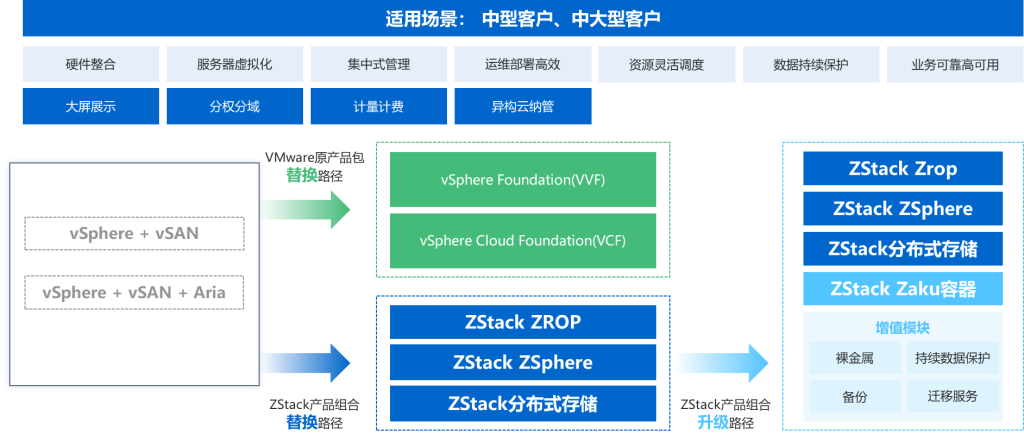
VMware virtualization replacement solution
Changes to licensing rules
•Management: vCenter is no longer sold separately; it is bundled into every subscription.
•Compute: moved from per-CPU to per-core, with a minimum of 16 cores counted per CPU — a significant cost increase as core counts grow.
•Storage: vSAN moves from CPU-based to raw capacity-based licensing, blurring the differences between Standard, Advanced and Enterprise editions.
•Networking: vCenter + vSphere + NSX Data Center scenarios can only be replaced by VCF + NSX Firewall add-on subscriptions.
•Support: support is mandatory and bundled into every subscription; after a perpetual licence expires you cannot renew support separately.
•Other: the bundled VVF trial capacity of 100 GiB per core cannot be shared across servers, is generally insufficient, and cannot be offset against purchased capacity.
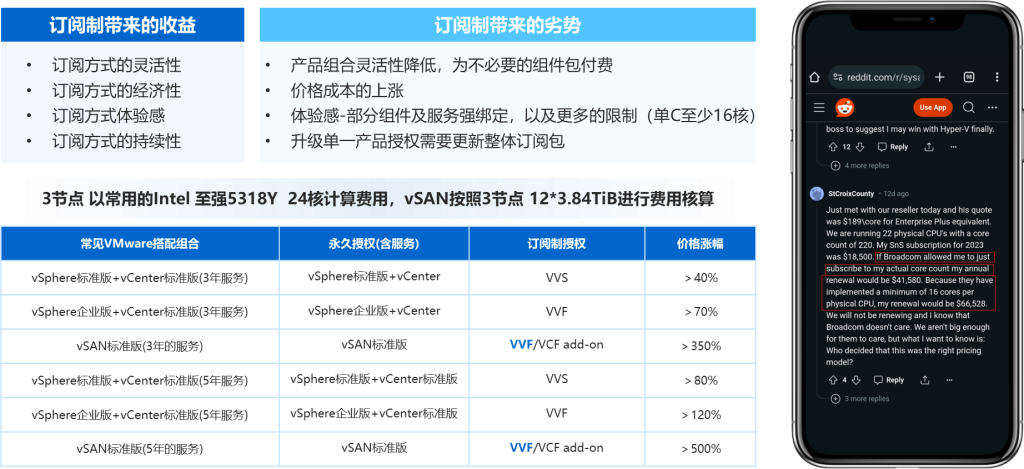
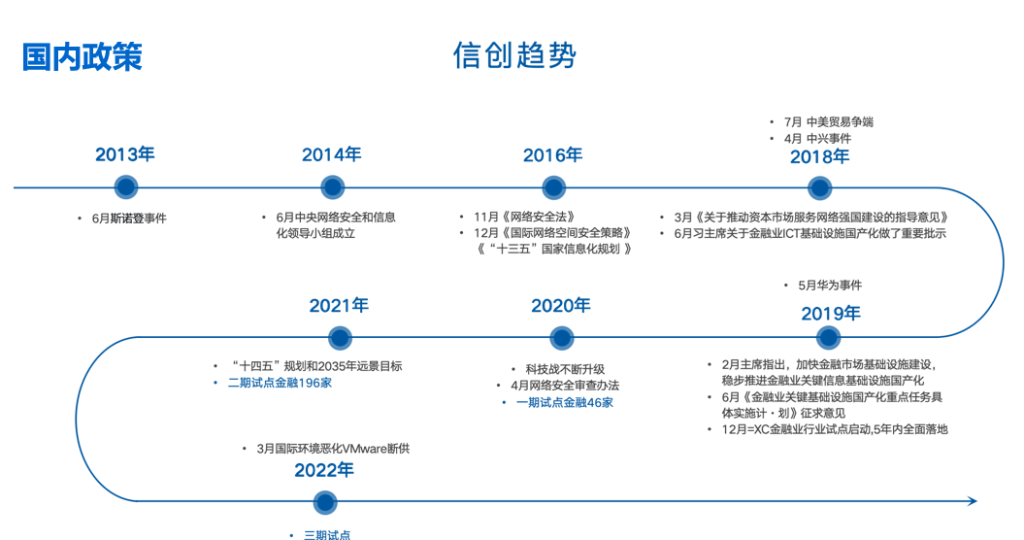
From 11 December 2023 VMware stopped selling perpetual licences and moved to subscription only.
Its partner programme also became the invitation-only Broadcom Advantage Partner Program.
Media reported substantial layoffs in VMware’s China sales and pre-sales teams, with the remaining staff (around 30) moving to partner VSTECS, which announced on 27 June that it had become VMware’s sole authorised distributor in China.
With ESXi 8.0 Update 3 VMware reduced the number of localised languages and dropped Simplified Chinese.
VMware has also begun pursuing unlicensed users in China.
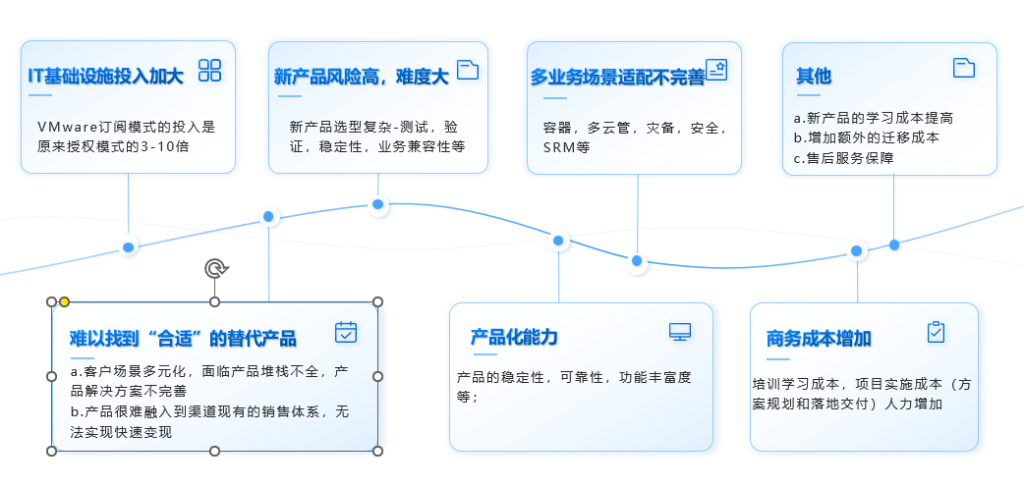
Higher infrastructure spend: VMware subscriptions cost 3–10x the previous perpetual licensing.
High risk in new products: selection, testing, validation, stability and application compatibility all take effort.
Incomplete scenario coverage: containers, multi-cloud management, disaster recovery, security, SRM and more.
Hard to find a “suitable” replacement: diverse customer scenarios expose incomplete product stacks and immature solutions, and products struggle to fit channel sales models or monetise quickly.
Productisation: stability, reliability and functional breadth.
Higher commercial cost: training, implementation (design and delivery) and extra headcount.
Other: new learning curves, additional migration cost and after-sales assurance.
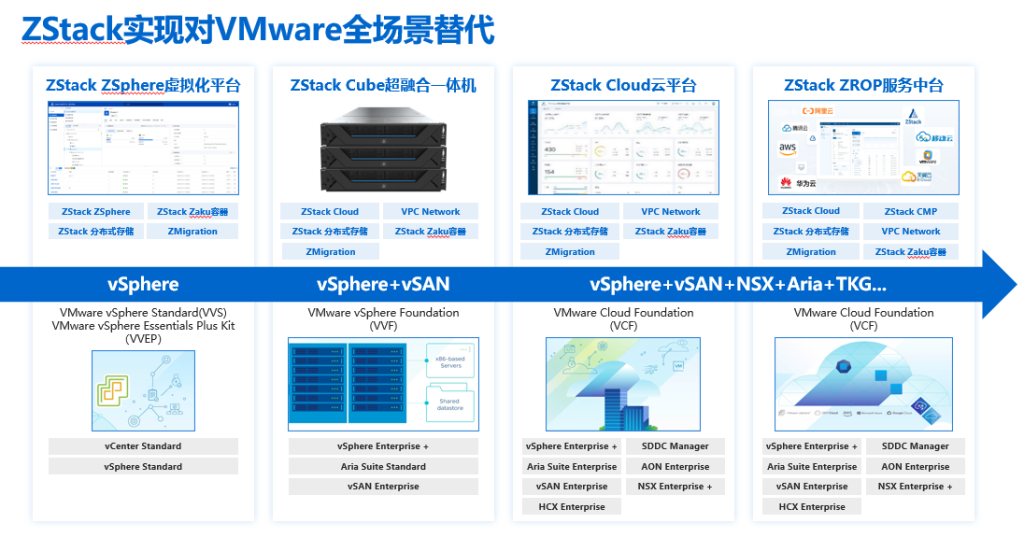
No.1: full-stack replacement solution
No.2: a complete ecosystem of products
No.3: productisation — consistent ZSphere interface, high stability and reliability, matching features and performance
No.4: VMware workload transformation — agentless migration and a mature support organisation
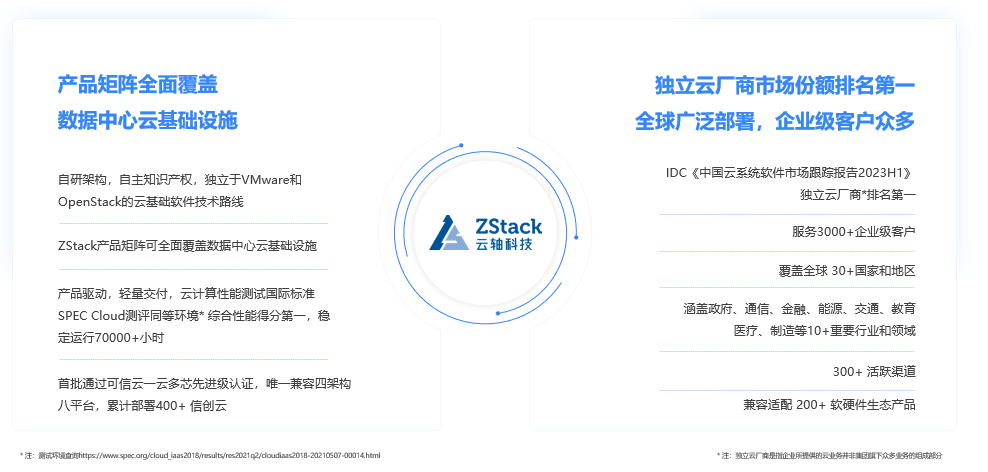
Stability and reliability: the engine is market-proven with over 70,000 hours, powering the lightweight cloud editions of Alibaba Cloud and China Telecom Cloud, with a microservice plugin architecture, management, networking and VM HA; 800+ nodes on an Australian 5G network, four data centres worldwide, and 2,000+ GPU nodes at Ruicloud.
Usability: simple installation and deployment, intuitive layout, VMware-like operating habits.
Asset reuse: hardware-agnostic; runs on 4 cores / 8 GB.
Features and performance: 95% of VMware VM management functionality; SR-IOV, vNUMA and CPU passthrough; vhost and RDMA.
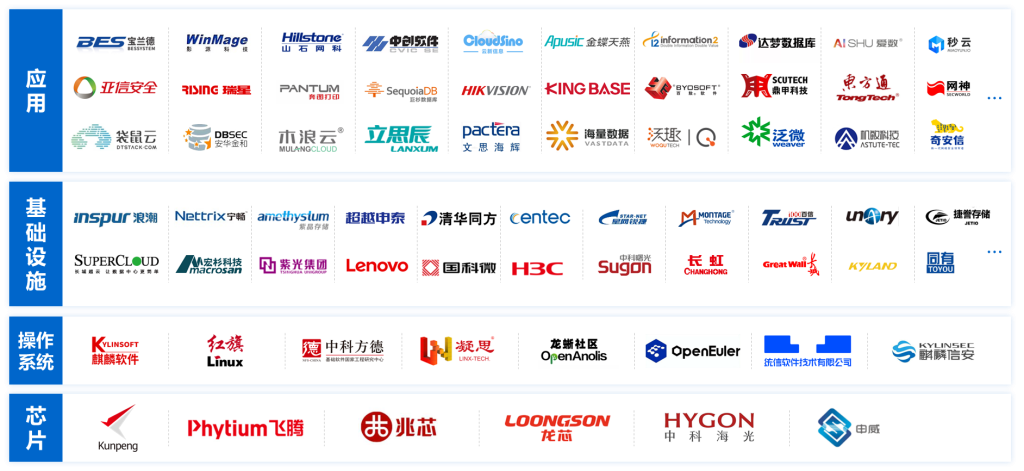
Compatibility: one cloud, eight chips; 120+ Xinchuang ecosystem certifications.
VMware migration: agentless migration through the VADP interface.
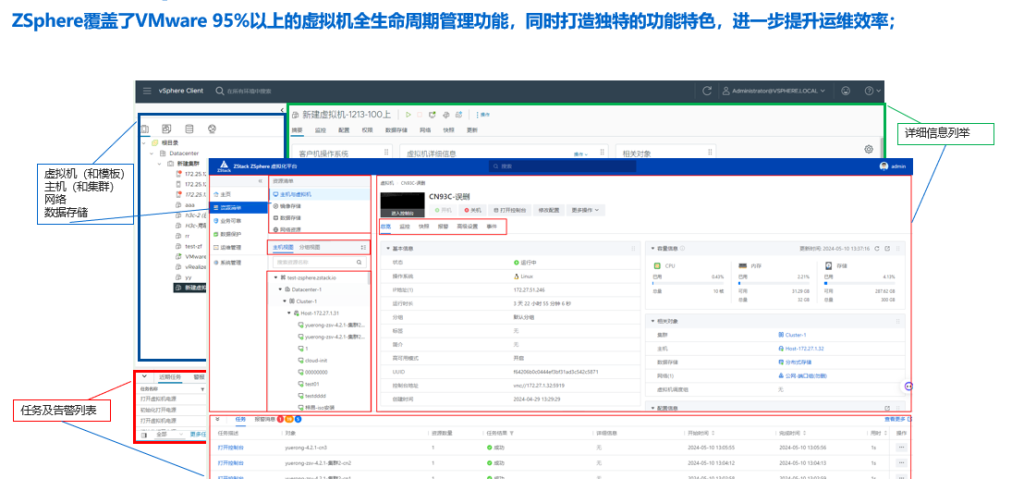
Heterogeneous resource pools: builds clusters from different processor types, including domestic chips.
Easier VM operations: choose whether a new VM powers on automatically; one-click VMtools installation; local command-line copy/paste tool; fault-handling policies for Linux crashes and Windows blue screens; recycle bin for VMs, disks and images; static IP or DHCP assignment per vNIC.
VM security policies: security groups in the base edition build east-west firewalls between VMs; web console passwords and SSH public keys; anti-spoofing so a VM can only communicate with the IP/MAC assigned by the platform.
Bulk operations: bulk VM creation, bulk resource management and cluster-based bulk host management.
Host operations: an in-UI host command console (web console) removes the need for out-of-band management; VMs and bare metal are managed together.
Seamless / canary upgrades: online cross-version hot upgrades and canary releases keep services reliable.
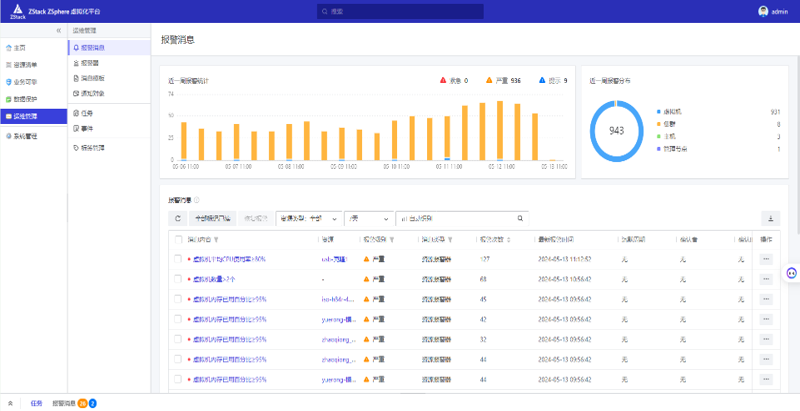
Customisable alerting: resource and event alarms
Templates: tailored to your own habits
Notification channels: WeCom, Feishu, DingTalk, email and more
Tag management for VMs and hosts
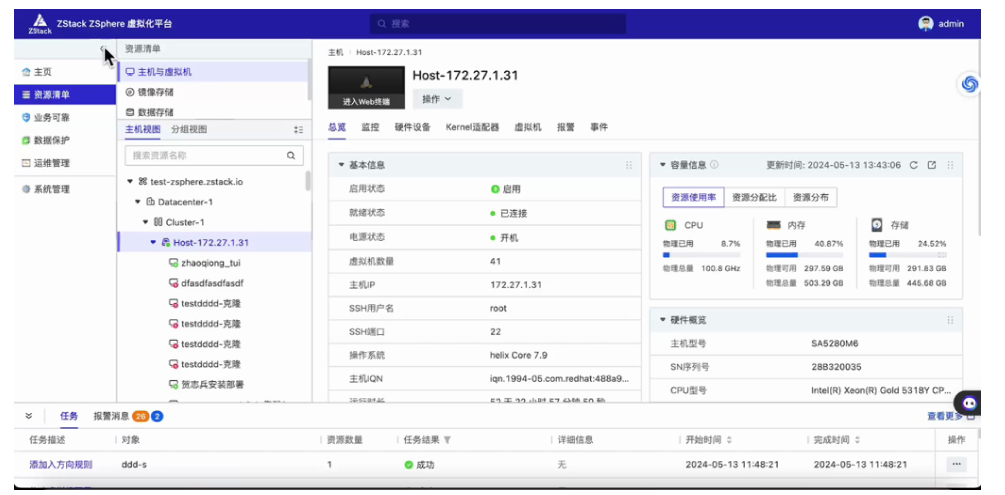
Operations model and habits: built on how VMware works, refined by studying customer habits so that staff familiar with vSphere can use it immediately with no learning curve. Adds VM group views, right-click actions on root, data centre, cluster and VM, custom layouts and per-cluster VM information views.
Compatibility and asset reuse: one platform supports eight chip architectures side by side (Intel, AMD, Hygon, Kunpeng, Sunway, Zhaoxin, Loongson). Pure software, not tied to hardware sales, broadly compatible with mainstream server vendors — cross-generation, cross-model CPU clusters and reuse of multi-brand servers protect your investment.
Operations alerting: SMS gateway integration plus alerts via WeCom, Feishu, DingTalk, email and SNMP.
ZSphere + storage: ZStack distributed storage supports disaggregated and hyper-converged deployment; ShareBlock connects seamlessly to existing centralised storage; the virtualization platform reaches distributed storage over Vhost + RDMA for high performance.
VM operations and security: easier operations and stronger security (login hardening, security groups).
ZSphere + CMP: unified hybrid-cloud and multi-tenant management; delegated administration for fine-grained operations and metered billing; dashboards and overviews forecast resource usage.
Unified management: manage VMs and bare metal together; bulk host management by cluster, bulk resource management and bulk VM creation; an in-UI host command console that removes the need for out-of-band management.
Xinchuang ecosystem: 120+ certified hardware and software products
7×24 annual support: 30-minute response; for production environments needing real-time assurance.
VIP annual support: 15-minute response; for critical production with extreme continuity requirements.
On-site support: arrive within 24 hours; pairs with annual support where remote access is impractical.
Expert on-site support: arrive within 24 hours; pairs with annual support for complex critical scenarios.
Proactive managed service: remote; proactive warnings and real-time alert reporting to lower operating cost.
On-site inspection: on site; for sites without inspection staff.
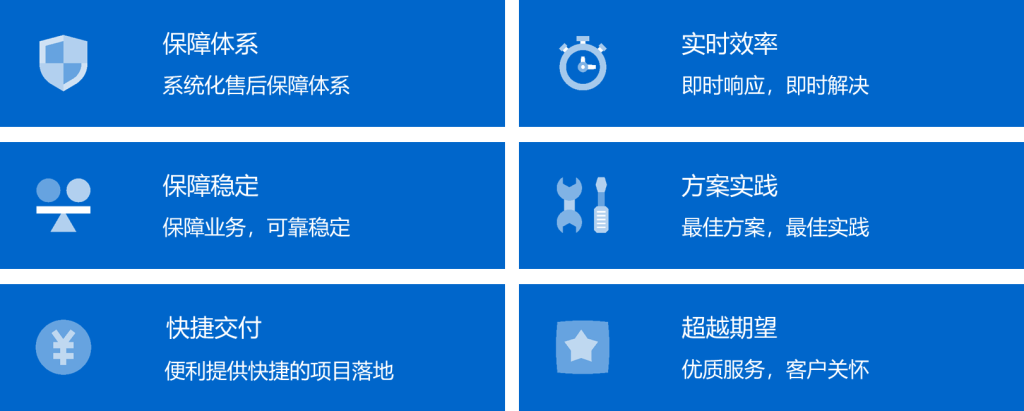
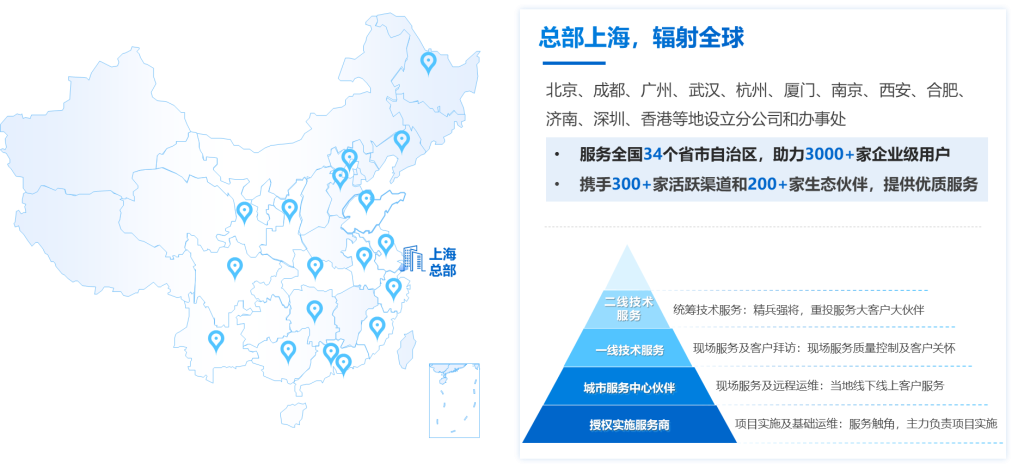
ZStack high-quality local services