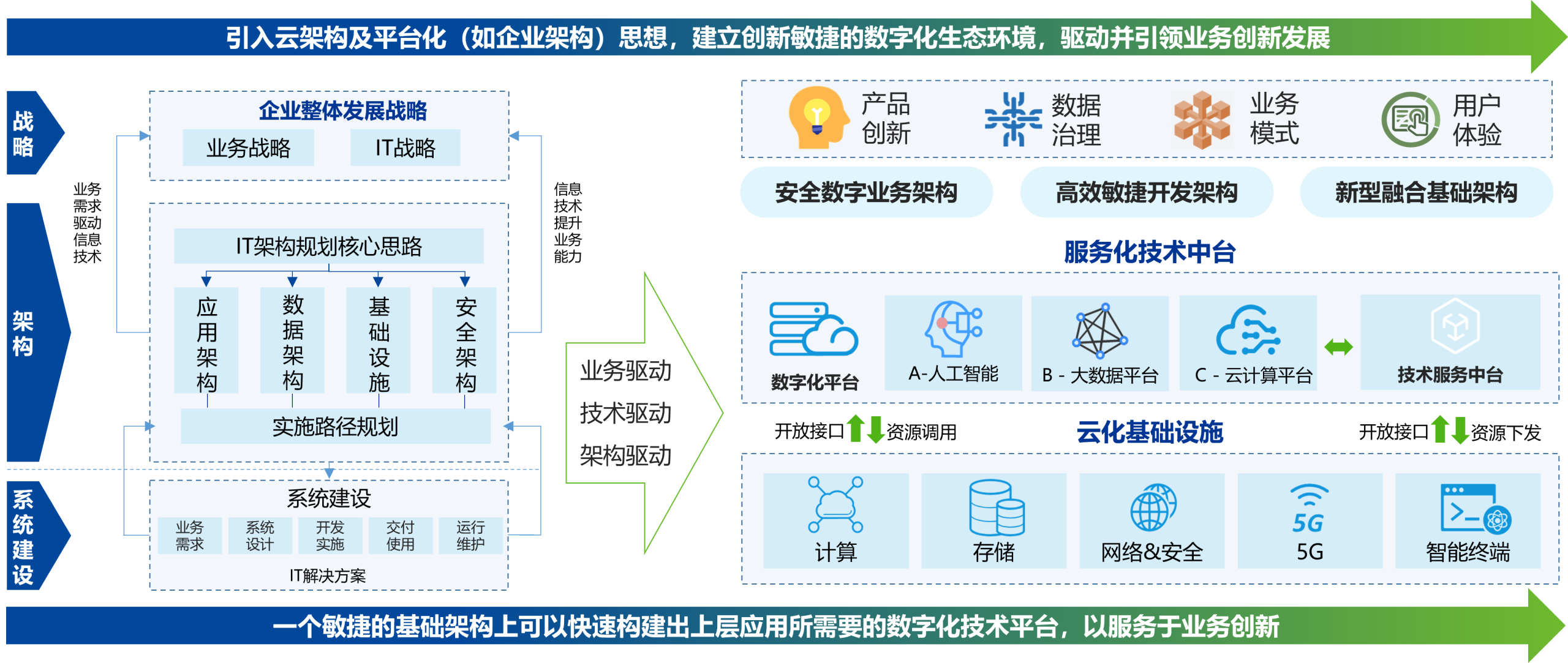
Digital transformation drives evolution of technology platforms, enterprise architecture and agile infrastructure
Gartner: as enterprises increase investment in automation and generative AI, worldwide IT spending is forecast to reach USD 5.61 trillion in 2025, up 9.8% on 2024. Most organisations sit in the first three stages of digital maturity — from pilots and local rollouts to a defined strategy, roadmap and technology path. The core of digital transformation 2.0 is scaled multiplication of innovation: AI everywhere, every employee a developer, cloud-edge convergence, redefined trust and automated solutions. — IDC China
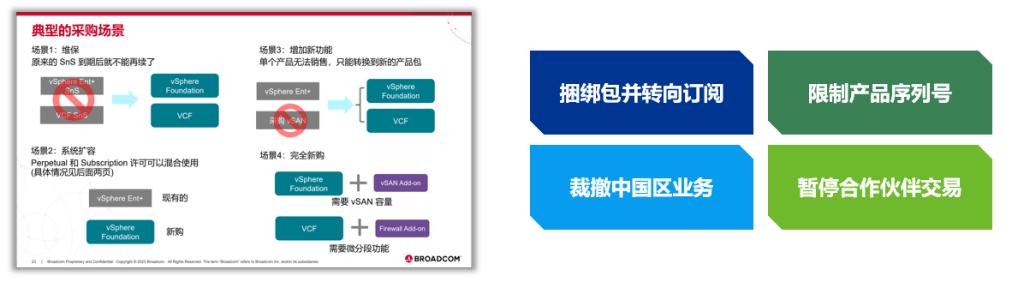
Traditional IT vendors are steadily reducing support for the China market
After Broadcom acquired VMware it took an aggressive approach: from 4 February 2024 it ended all partner agreements with VMware resellers and service providers and re-screened the channel, and stopped selling support and subscription renewals (SnS) for perpetual products, moving fully to subscription. Forrester publicly estimated that up to 20% of VMware enterprise customers plan to move off its broad virtualization stack within a year. Its analysts wrote that “many have been worn down by steep price rises, deteriorating support and forced subscription bundles — some modules such as NSX and Aria Suite/vRealize Suite ended up as shelfware.”
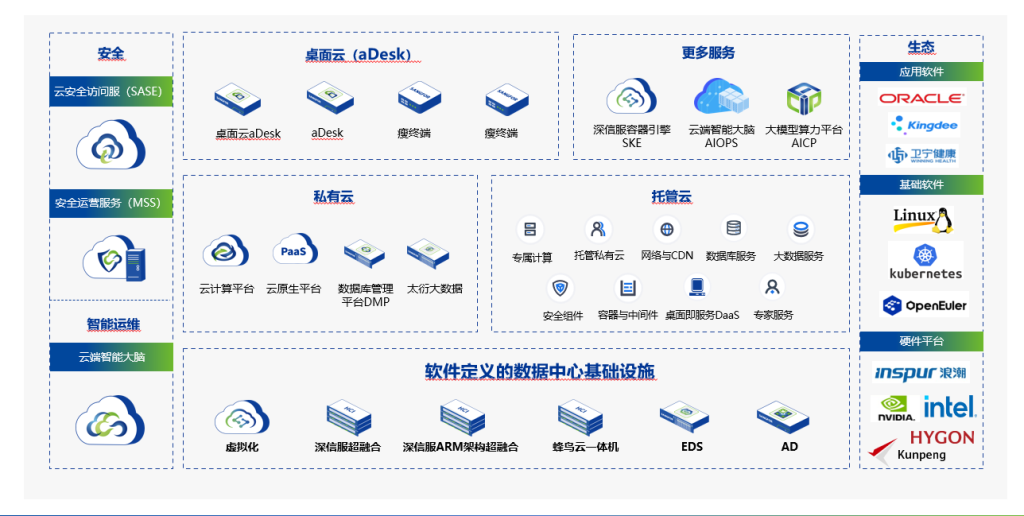
Sangfor Cloud value proposition
Network and security virtualization innovations built into the hyper-converged architecture; the IOM intelligent operations platform; and Phoenix, an in-house high-performance file system that solves small-file storage performance.
“Security inside the cloud”: Sangfor’s 20 years of security products and technology are fused with its cloud products so customers get a cloud that is secure the moment it goes live, with continuous protection and operations. Chaos engineering underpins reliability.
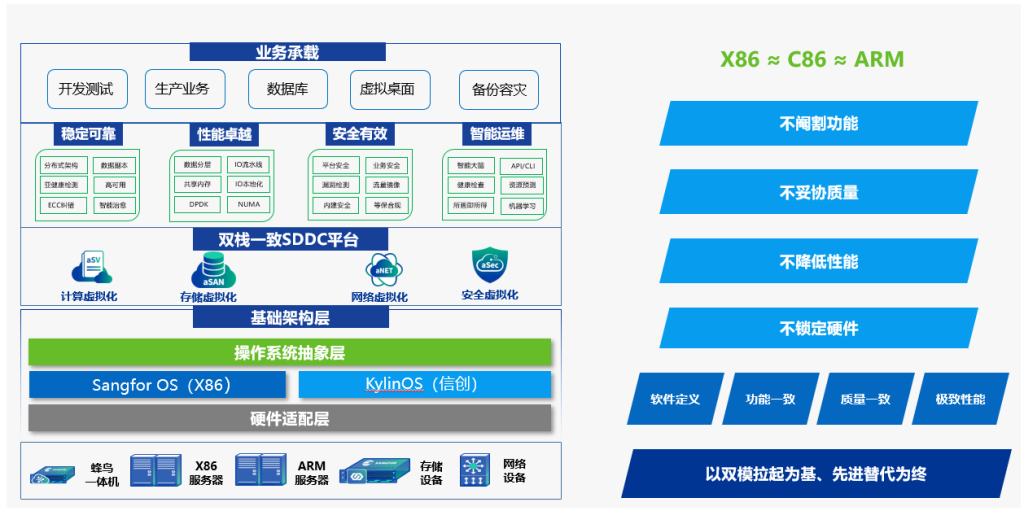
Fully embracing the Xinchuang industry with the first full-stack Xinchuang cloud platform and the first “consistent dual stack” concept, making Xinchuang as usable as mainstream platforms 99.04% self-developed code.
Build the data centre on software-defined technology. A joint lab with Huawei Kunpeng pushes Xinchuang performance to the limit. A Xinchuang ecosystem lab publishes best practices for domestic operating systems, databases and applications.
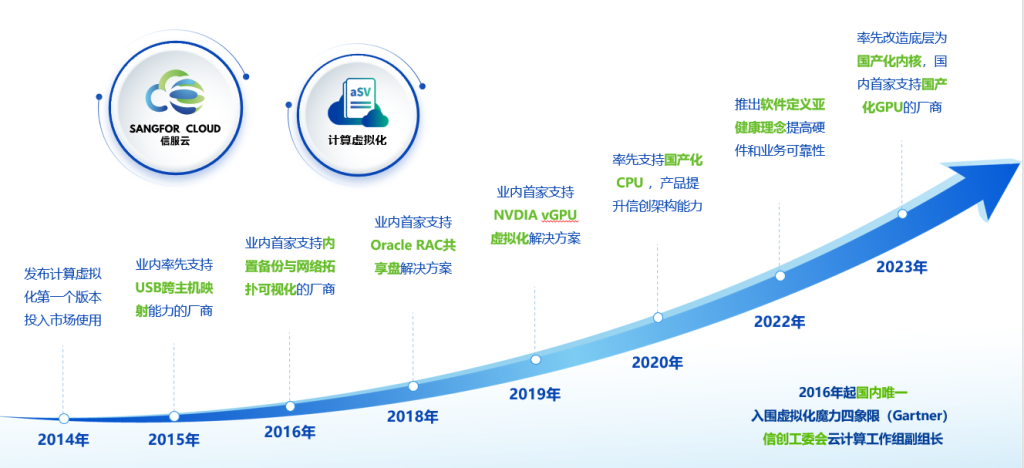
A decade of engineering and leadership in virtualization
Built on SDDC Assemble elastic, scalable IT infrastructure like building blocks
A pragmatic, thoroughly engineered dual stack Delivering a stable and reliable high-performance Xinchuang cloud
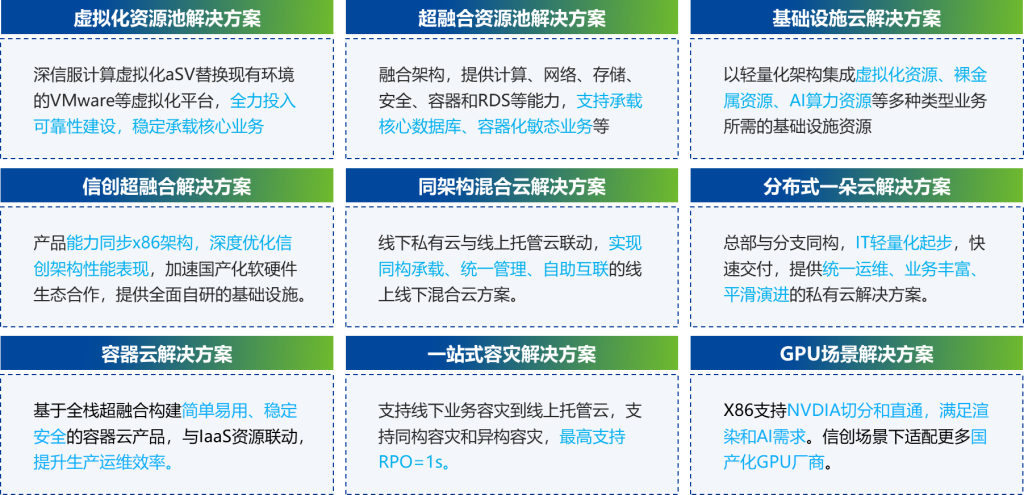
More scenario solutions to accelerate digital transformation
Four core strengths of Sangfor HCI
Stable and reliable
• The industry’s most comprehensive failure fallback and pre-failure detection • HA 2.0 moves from passive to proactive high availability • DRS 2.0 uses AI-driven dynamic scheduling • Rich hardware health checks from PSU to CPU
Outstanding performance
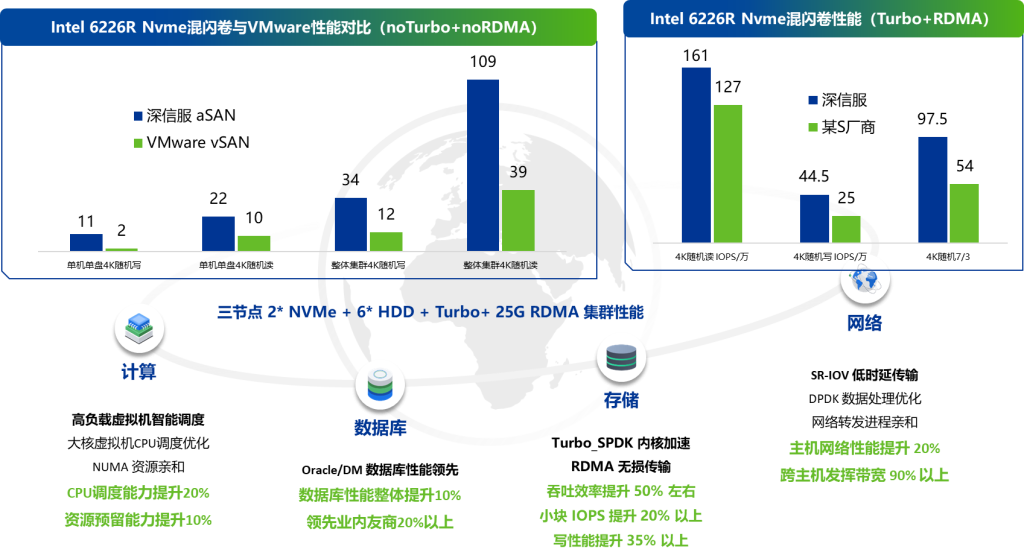
• Over 1.3 million IOPS on three nodes across x86 and ARM • Extreme tuning for Xinchuang ARM scenarios — 30% ahead of domestic vendors • Storage performance on Intel platforms ahead of domestic and international vendors • Optimised CPU scheduling for better performance under heavy pressure
Secure and effective
• Unified cloud and security management with a single pane of glass, greatly improving security outcomes • Intelligently recommended isolation policies reduce operational complexity at scale and strengthen internal protection • A guided ransomware response workflow improves how security incidents are handled
Smart and simple
• A full set of VMware-equivalent products, tools and solutions to support fast migration. • Integrated online and on-premises operations for a smarter, easier service experience. • One-stop hybrid-cloud backup, cloud disaster recovery and intelligent operations that improve reliability and make operations simpler and smarter.
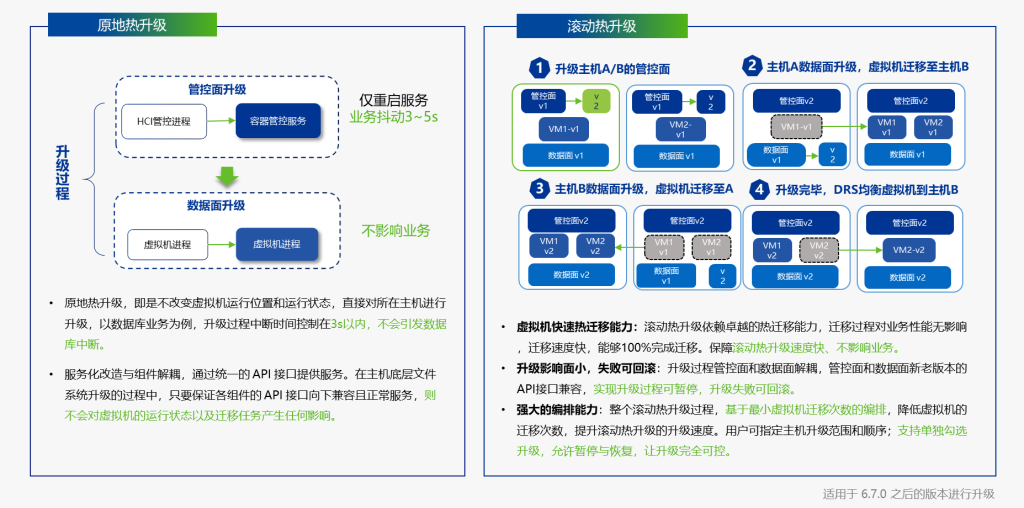
Hot upgrades with no service impact make upgrades controllable and worry-free
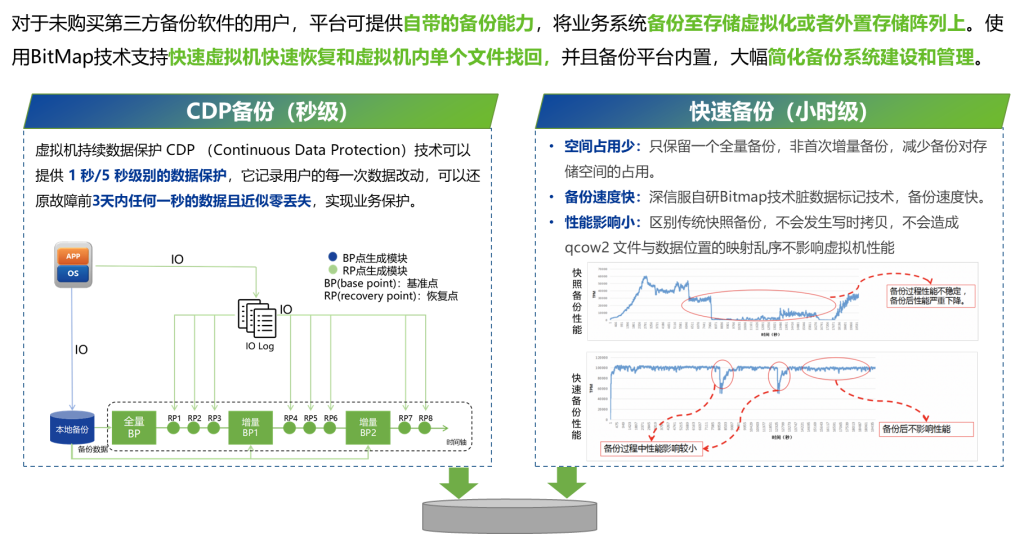
Built-in agentless backup keeps business data safe
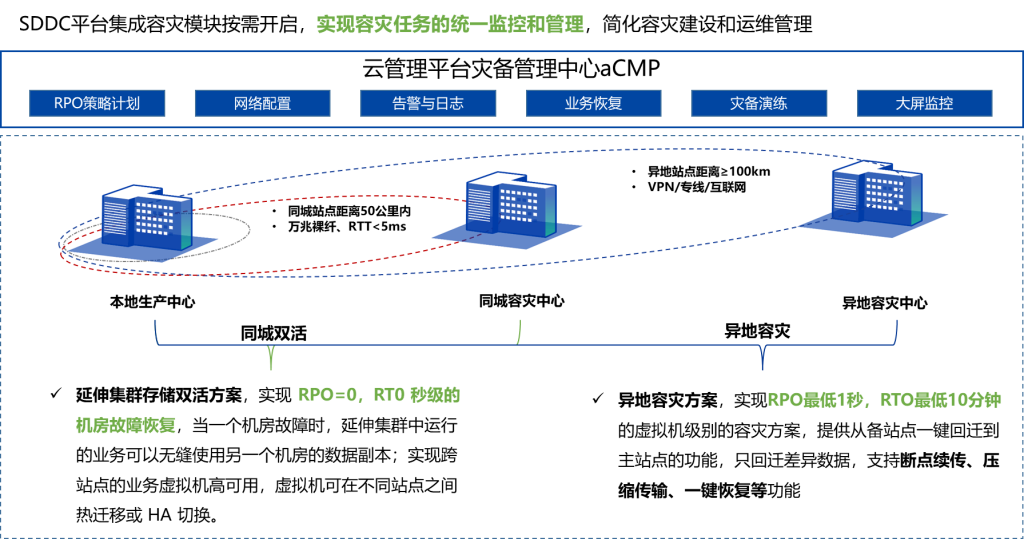
Site-level disaster recovery and metro active-active for data safety and continuity
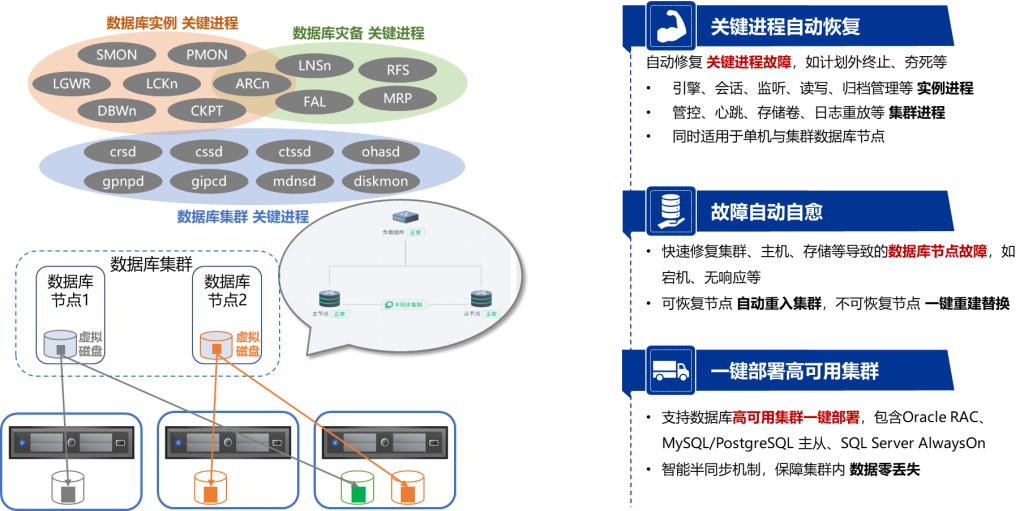
DMP: full-stack database high availability for greater business stability
DMP: full-stack database high availability for greater business stability
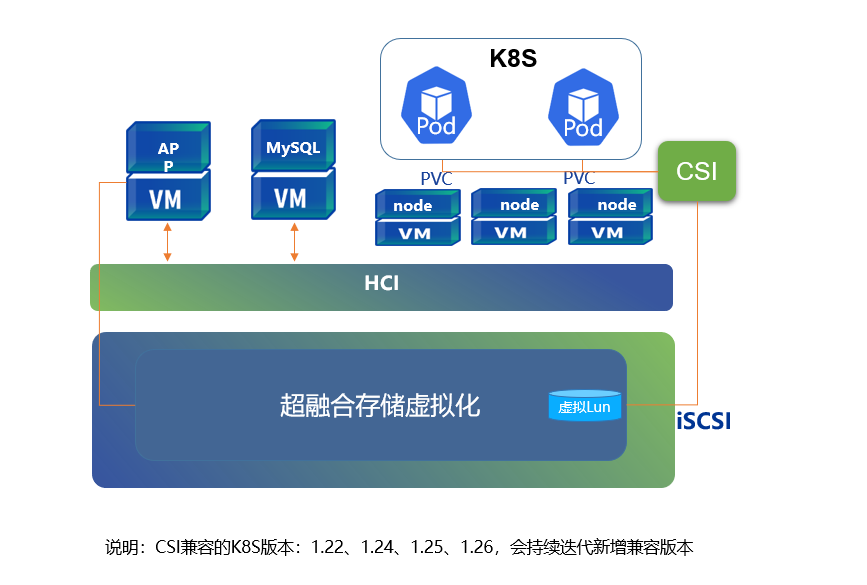
Highly available virtualized storage for containers keeps cloud-native apps running
CSI simplifies storage virtualization management: the Container Storage Interface (CSI) plugin is the standard storage interface in container environments such as Kubernetes, automating creation, mounting and deletion of persistent volume claims (PVC) and greatly reducing the effort of container storage management. High availability for container storage: •Self-healing: if a VM fails, the mounted PVC follows the pod, so the pod can reach its PVC storage from any node in the cluster. •Replicas: storage virtualization replication keeps container persistent data highly available.
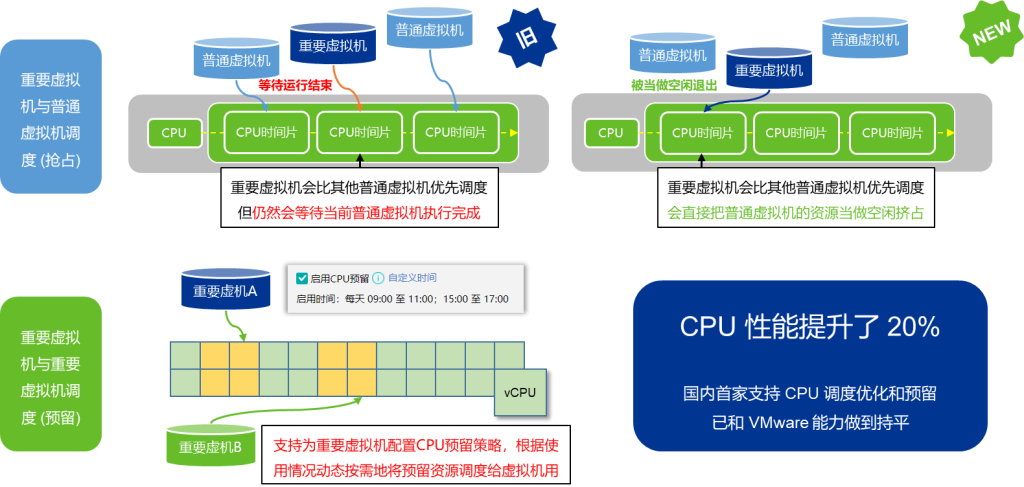
Optimised CPU scheduling prioritises compute for business-critical workloads
Applications with high compute demands should get the strongest possible resource guarantees — particularly the contention problem in overcommitted environments. In practice, to raise utilisation, all kinds of applications are mixed in the same cluster, which raises two problems.
Storage virtualization performance tuned beyond VMware vSAN — industry leading
Security built into the cloud: end-to-end protection from endpoint to network
As workloads go live Host protection
• Host security components installed automatically • Automatic virus scanning • Real-time antivirus enabled automatically • Vulnerability scanning and remediation • Real-time protection and fallback snapshots on by default
As workloads go live Network protection
• Intelligently recommended micro-segmentation policies • Containerised distributed IPS that scales elastically with hosts • Virtual patching — fix vulnerable VMs without rebooting • Security policies that adapt as cloud assets change
At runtime Host threat detection and response
• Anti-ransomware with linked snapshots in multiple layers of protection • Virus detection and removal • Ransomware blocked in 3 seconds • Brute-force detection • Endpoint and process isolation • Hot-threat synchronisation • *Advanced threat detection
At runtime Network threat detection and response
• A distributed IPS engine detects and blocks layer-7 traffic carrying threats at VM granularity, delivering east-west layer-7 protection • Micro-segmentation policies continuously monitor business traffic and raise proactive alerts on abnormal access • Network isolation for infected hosts
• Restore host networking • Visualise network access and inspect abnormal flows — source and destination IP, protocol, port, time and hit count — to locate problems fast
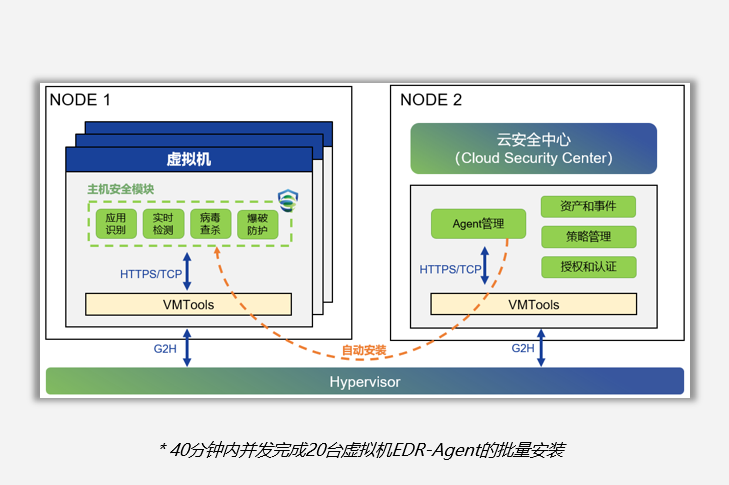
Host protection switches on automatically as workloads go live, cutting maintenance overhead
Host security: conventional endpoint protection requires installing an agent on every cloud workload by hand — tedious, and easy to miss something. The cloud security centre adds a host-security module for HCI virtual machines: communication between the VM and the cloud security centre runs over a Hypervisor-layer channel (G2H), and the guest only needs a lightweight agent auto-installed through VMware Tools, so threat response is possible at very low resource cost. Vs. agentless mode: agentless scanning relies on hypervisor APIs that usually grant only read access to the file system. That limits protection to file-level scanning with weak detection, cannot use behavioural analysis to catch unknown malware, and must be redeployed entirely after a platform upgrade — complex to operate.
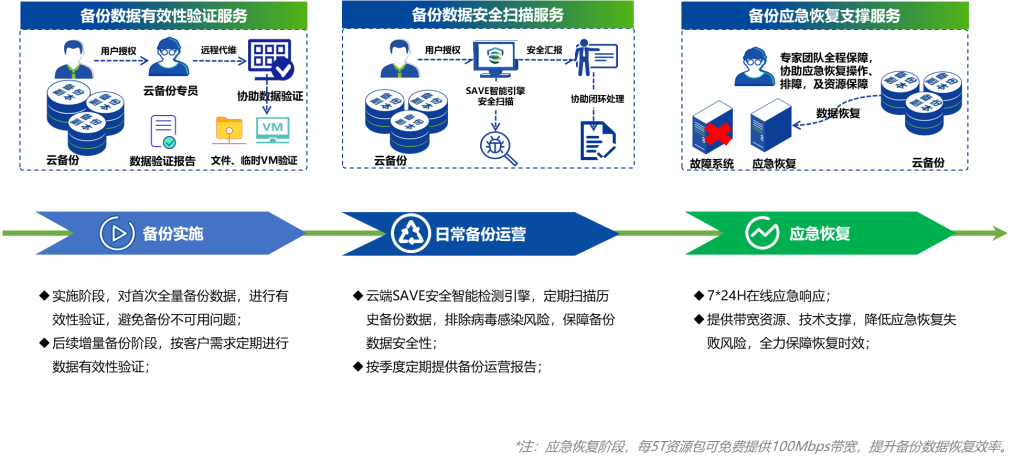
One-stop services that make backups verifiably effective
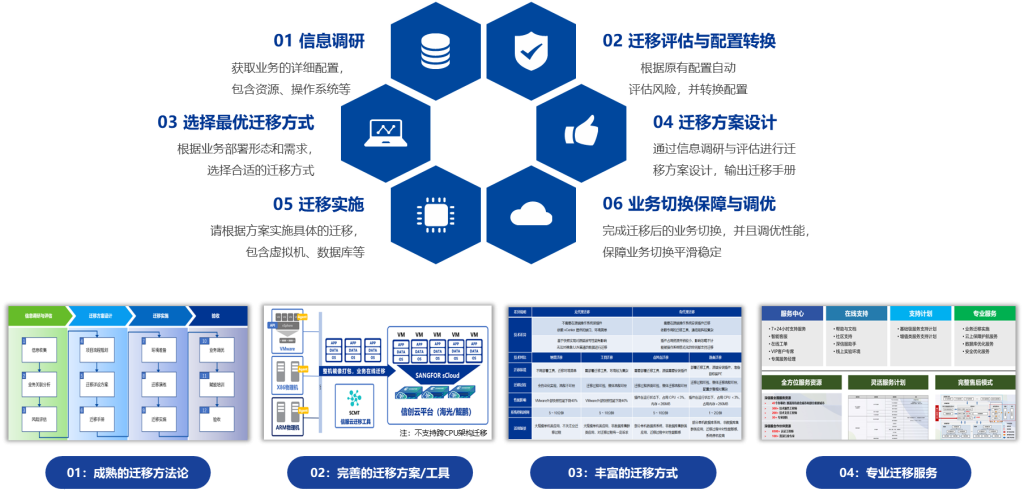
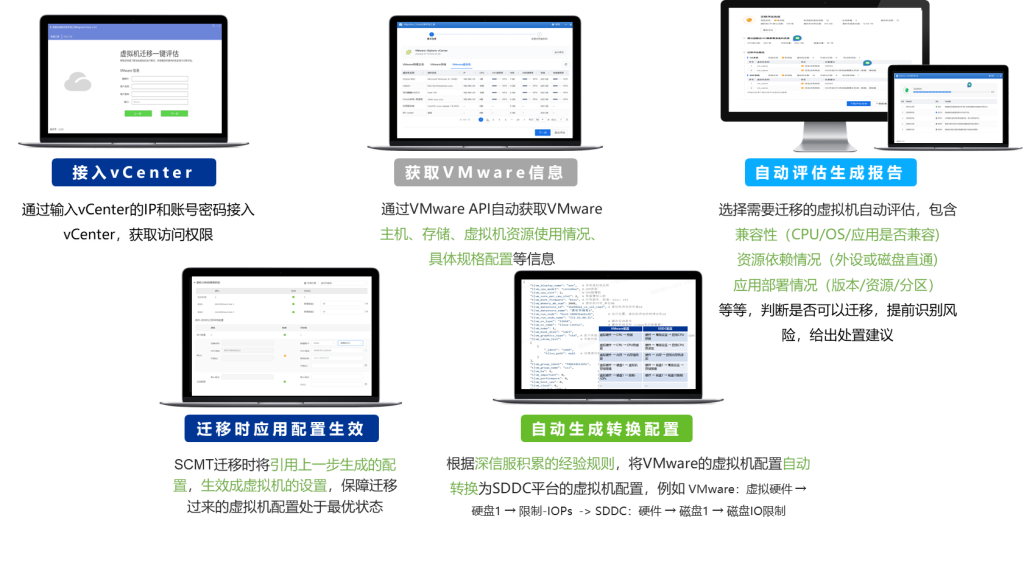
End-to-end migration tools, solutions and services for efficient, smooth moves
Automated migration assessment: simple to operate, verifiable, 50% faster migrations
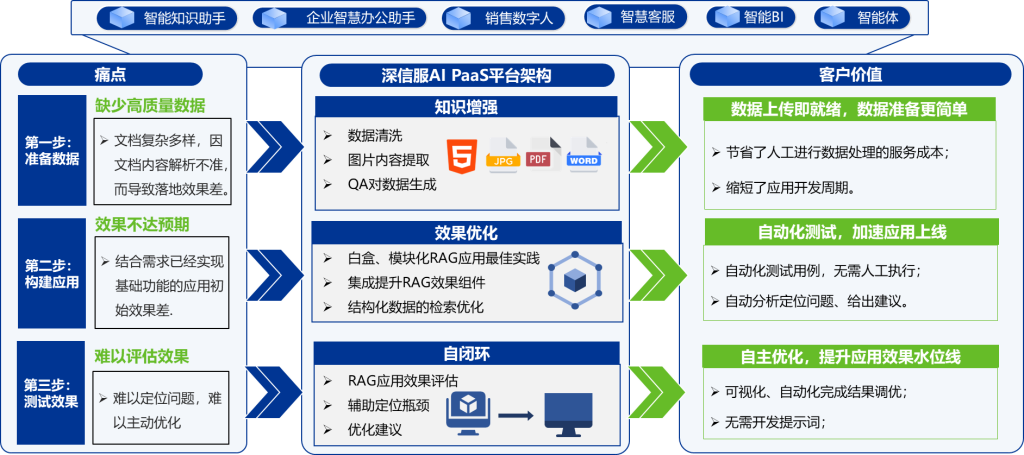
AI application platform that makes building apps simpler